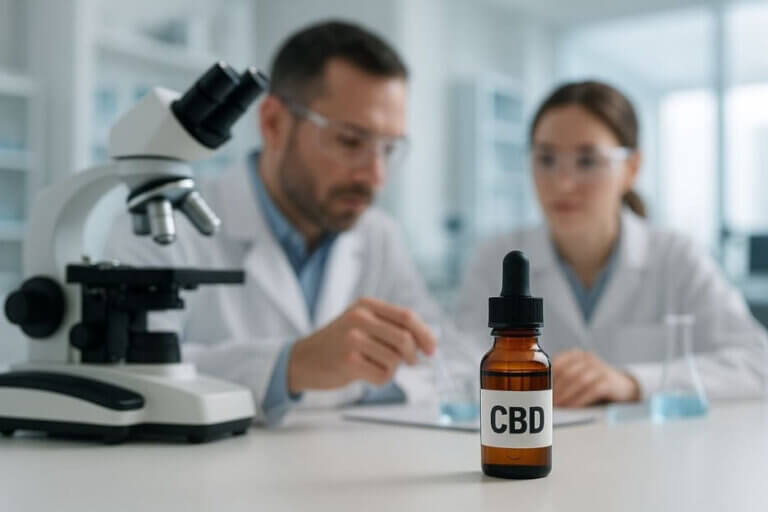
When antibiotics struggle, cannabinoids may offer a quiet but powerful new defense.
Imagine this: you develop a simple skin infection, and your usual antibiotic no longer works. The redness spreads. The pain grows. The bacteria have learned your medicine’s every move, and they’re winning.
That’s the new reality of antibiotic resistance, a crisis that experts say could claim more lives than cancer by 2050. But amid this looming threat, science has stumbled upon an unlikely ally — cannabinoids, the same family of compounds found in the cannabis plant that includes CBD.
In a 2024 scientific review, researchers discovered that CBD and its chemical cousins might do more than calm the mind; they may help fight back against some of the world’s most dangerous bacteria, including drug-resistant strains like MRSA. It’s a fascinating twist: the plant long associated with relaxation could soon play a role in saving lives.
Science Snapshot
- Bacteria studied: Staphylococcus aureus (including MRSA and VRSA), Streptococcus pyogenes
- Top performer: Cannabidiol (CBD), MIC ~0.65–32 mg/L depending on strain
- Key finding: Synergistic potential with antibiotics and essential oils
- Data source: 24 peer-reviewed studies meeting high laboratory standards
A Hidden Strength Inside a Familiar Molecule
When most people think of CBD, they think of balance, calm, or pain relief. But inside that same molecule lies another gift, one that bacteria might not see coming.
Scientists reviewing decades of research found that cannabinoids can weaken bacterial walls, disrupt their internal balance, and in some cases, destroy them entirely. Even more striking, some of these effects held up against “superbugs”, bacteria that shrug off conventional drugs.
This review pulled together 24 of the strongest scientific studies to look beyond the hype and into the hard data, focusing on bacterial villains like:
- Staphylococcus aureus (including MRSA and VRSA)
- Streptococcus pyogenes, responsible for strep throat and skin infections
What they found was promising: CBD and other cannabinoids like CBG (cannabigerol) consistently inhibited bacterial growth and, in many cases, killed bacteria outright.
The Great Antibiotic Standoff
Antibiotic resistance isn’t new, but it’s accelerating. Overuse of antibiotics in medicine and agriculture has created a perfect storm: microbes that mutate faster than new drugs are developed.
The result? Ordinary infections that linger longer, spread faster, and resist treatment entirely.
While pharmaceutical pipelines slow down, researchers are looking elsewhere, to plants, fungi, and natural molecules for fresh ideas. And CBD, once dismissed as irrelevant to modern medicine, is proving to be a treasure chest of unexplored chemistry.
Cannabinoids aren’t antibiotics in the traditional sense. Instead of poisoning bacteria directly, they appear to disrupt membranes, weaken structural defenses, and increase vulnerability to other treatments. That makes them potential teammates, not replacements.
What the Researchers Found
The scientists behind this global review combed through thousands of studies, ultimately narrowing them to 24 that met strict experimental standards, work done in labs, on bacterial cultures, using precise metrics like MIC (minimum inhibitory concentration).
Here’s what stood out:
- CBD Was the Star Performer
In laboratory tests, CBD killed Staphylococcus aureus — including MRSA — with MIC values as low as 0.65 mg/L. Against Streptococcus pyogenes, it remained active even at higher doses (up to 50 mg/L depending on strain). - CBG Showed Similar Power
Cannabigerol (CBG) matched CBD’s antibacterial punch in several studies, proving potent even against multi-drug-resistant bacteria. - Other Minor Cannabinoids Joined the Fight
Other compounds also showed measurable antibacterial action, though slightly weaker than CBD and CBG. - Combination Therapy Amplified Results
When cannabinoids were paired with antibiotics or essential oils, the results often improved dramatically. This “synergy” means cannabinoids might restore power to older antibiotics that bacteria have learned to resist. - Structure Matters
The review also revealed a design principle: subtle differences in molecular shape, such as side-chain length and ring formation, changed how cannabinoids interacted with bacterial membranes.
That insight gives chemists a roadmap to engineer stronger, safer, and more targeted antimicrobial versions in the future.
Why This Discovery Matters
No one’s suggesting CBD oil will replace your antibiotics anytime soon. But the implications are significant.
If scientists can harness cannabinoids safely, they could open a new class of antimicrobials, something medicine hasn’t seen in decades. These compounds may work not by mimicking antibiotics, but by weakening bacteria in entirely new ways, buying doctors precious time in the arms race against resistance.
The benefits could reach far beyond hospitals:
- Topical treatments for wounds or burns infected with resistant bacteria
- Adjunct therapies that strengthen existing antibiotics
- Preventive applications for high-risk environments like surgeries or ICUs
And perhaps most importantly, these plant-based molecules attack bacteria without driving resistance as quickly, a crucial edge in long-term global health.
What This Means for You
When antibiotics stop working, it’s not just a clinical problem; it’s deeply personal. It affects recoveries, surgeries, and even the simplest infections. This research offers something medicine rarely gives these days: real optimism.
Here’s how to read it:
- CBD might protect more than your peace of mind. In the lab, it destroyed bacteria that defy some of our strongest drugs.
- Nature’s chemistry could boost modern medicine. When combined with antibiotics, cannabinoids make them more potent, a possible way to extend the life of existing treatments.
- Innovation is already in motion. Researchers are now designing synthetic versions of cannabinoids that could work even better against infections, safely and precisely.
- Hope, not hype. This isn’t about replacing antibiotics; it’s about reinventing support systems, finding natural partners that make our existing drugs stronger.
Original Study Details
Study Title: Cannabinoids as Antibacterial Agents: A Systematic and Critical Review of In Vitro Efficacy Against Streptococcus and Staphylococcus
Date Published: October 2024
Authors: Niyangoda Dhakshila; Myat Lin Aung; Mallique Qader; Wubshet Tesfaye; Mary Bushell; Fabian Chiong; Danny Tsai; Danish Ahmad; Indira Samarawickrema; Mahipal Sinnollareddy Jackson Thomas
Original Source: PubMed / NCBI PubMed

Contributing Expert
Alan first discovered CBD while recovering from a sports injury — and he’s been a believer ever since. Over the years, he’s used CBD for sleep, skincare, easing anxiety, and even helping his family pet stay calm. With more than 20 years of experience running a marketing business, Alan now enjoys sharing scientific studies and personal experience with customers at Flourish + Live Well.