
How a New Review of Clinical Trials Is Putting CBD on the Map for Social Anxiety
Picture this: you’re about to walk into a party, a meeting, or even just a conversation with someone new, and your heart starts racing. Your mind floods with “What if they judge me?” or “What if I say something stupid?” For roughly 12% of Americans, that feeling isn’t occasional nervousness. It’s Social Anxiety Disorder, and it can quietly wreck careers, relationships, and quality of life.
The usual treatments help some people, but far too many are still stuck. That’s why a fresh look at the science is turning heads.
Social Anxiety Is More Than Shyness
It’s worth taking a moment to separate social anxiety from everyday nerves, because there’s a big difference.
Most people feel nervous before a big presentation or a first date. That’s normal. Social Anxiety Disorder is something else entirely. It’s a persistent, intense fear of being watched, judged, or embarrassed in social situations. It can make something as simple as eating in public, making a phone call, or walking into a room feel genuinely terrifying.
It typically starts in the teenage years and, without treatment, tends to stick around. People with SAD are more likely to avoid career opportunities, struggle in relationships, and experience depression as a secondary condition. The economic cost is significant too. Missed work, reduced productivity, and higher healthcare use all add up.
The good news is that awareness has grown. The harder truth is that treatment options, while improving, still leave a gap for many patients.
What Researchers Set Out to Learn
A 2025 systematic review published in Expert Review of Neurotherapeutics examined 18 randomized controlled trials (RCTs) of pharmacological treatments for Social Anxiety Disorder in adults. The researchers wanted a clear, updated picture: What actually works? And what’s coming next? pubmed.ncbi.nlm.nih
Their verdict on CBD? It’s one of the most promising newer treatments in the lineup.
What the Research Shows
The review confirmed that SSRIs (like Prozac or Zoloft) remain the standard first-line treatment when therapy isn’t available. But here’s the honest reality: response rates vary a lot. Many patients don’t get the relief they need, and some can’t tolerate the side effects.
Benzodiazepines (like Xanax or Valium) work faster, but they come with a serious downside: the risk of dependency. Doctors are increasingly reluctant to prescribe them long-term for that reason.
That’s where CBD stood out in the data.
“More recent drugs showing promising results include cannabidiol and d-cycloserine.” tandfonline
In earlier studies, the review drew from, CBD doses of 300mg to 600mg were shown to significantly reduce subjective anxiety in people with SAD, particularly in high-stress situations like public speaking. In one well-cited trial, participants who received CBD reported notably lower anxiety during a simulated public speech compared to those given a placebo.
What makes CBD especially interesting to researchers is its profile compared to existing options:
- No sedation. Unlike benzodiazepines, CBD doesn’t impair thinking or cause drowsiness.
- Fast-acting. SSRIs can take weeks to kick in. CBD appears to offer a more rapid response.
- Low abuse potential. A key concern with many anxiety medications is dependency. CBD doesn’t carry that same risk.
- Well-tolerated. Across the studies reviewed, adverse effects were minimal and no serious safety concerns were flagged.
How Does CBD Actually Work for Anxiety?
CBD doesn’t get you high. It doesn’t work the same way THC does. Instead, CBD works through several pathways that regulate how your brain processes fear and stress.
One key mechanism involves serotonin receptors (specifically 5-HT1A), the same system that SSRIs target. CBD may help stabilize serotonin signaling in a more natural way, without the weeks-long adjustment period that antidepressants typically require.
Brain imaging studies have also shown that CBD reduces activity in the limbic and paralimbic regions, areas associated with fear processing and anxiety. In plain terms, CBD may help quiet the part of your brain that’s constantly on high alert.
There’s also the endocannabinoid system to consider. Your body naturally produces its own cannabinoids, and this system plays a direct role in regulating mood, stress response, and emotional memory. CBD interacts with this system to support a more balanced response to perceived threats.
Finally, some research points to CBD’s effect on cortisol, the body’s primary stress hormone. Elevated cortisol is strongly associated with anxiety disorders. Preliminary data suggest CBD may help modulate cortisol release, helping the body return to a calmer baseline more quickly after a stressful event.
Why the Timing of This Research Matters
This isn’t a niche study. A systematic review is one of the most rigorous forms of scientific evidence. Instead of drawing conclusions from a single experiment, it pools findings across multiple high-quality trials to identify patterns in the data.
The fact that CBD emerged as a standout in a review covering 18 clinical trials published between 2015 and 2025 is meaningful. It means the signal is consistent enough across different studies, different populations, and different research teams to be taken seriously.
We’re also at a point in time where the stigma around CBD has significantly decreased. More researchers are willing to study it, more institutions are funding that research, and more journals are publishing the results. The body of evidence is growing quickly.
What This Means for You
If you or someone you know deals with social anxiety, this research adds important context:
- CBD is not a cure. The review is careful to note that more large-scale clinical trials are still needed. This is emerging science, not a finished story.
- Dosage matters. The studies point to a “bell-shaped” dose response. 300mg appears to be the sweet spot in most trials. Lower and higher doses showed less effect, which underlines the importance of not simply taking more.
- It may complement other treatments. One study found that people who took CBD were significantly more likely to seek further treatment, including therapy, suggesting it may lower the barrier to getting help.
- Consistency counts. Like most supplements, CBD isn’t a one-and-done solution. The studies showing the best results used consistent, measured dosing over time.
- Product quality matters. Not all CBD products are equal. Look for products that are third-party tested, clearly labeled, and derived from high-quality hemp.
- Talk to your doctor. If you’re already taking anxiety medication, any addition, including CBD, should be discussed with a healthcare provider, particularly because CBD can interact with some medications metabolized by the liver.
The takeaway is simple but meaningful: the scientific community is paying serious attention to CBD for anxiety, and the early results are encouraging. For people who have been searching for something that fits alongside their life without the side effects of traditional medications, that matters.
About the Original Study
Title: Pharmacological strategies for treating social anxiety disorder in adults: a systematic review of studies published since 2015
Published: December 2025
Journal: Expert Review of Neurotherapeutics
Link to original study: https://www.tandfonline.com/doi/full/10.1080/14737175.2025.2604303 tandfonline
Authors:
Stefan G. Hofmann, Ph.D. — Alexander von Humboldt Professor and LOEWE Spitzenprofessor for Translational Clinical Psychology, Philipps-Universität Marburg. One of the world’s most cited researchers in anxiety disorders and cognitive behavioral therapy, with over 500 peer-reviewed publications, and a recipient of the ABCT Lifetime Achievement Award. uni-marburg
Giovanbattista Andreoli, Ph.D. — Postdoctoral Researcher, Department of Translational Clinical Psychology, Philipps-Universität Marburg, Germany. Lead author of this review. His research focuses on theory-based and data-driven clinical models for anxiety disorders. uni-marburg
Chantal Kasch, MSc — Research Fellow and PhD Candidate, Department of Psychology, Philipps-Universität Marburg, Germany. Specialist in social anxiety and cross-cultural psychopathology research. linkedin
Cameron E. Lindsay — Research Fellow, Department of Psychology, Philipps-Universität Marburg, Germany. Co-investigator in translational clinical psychology with a focus on social anxiety and identity. uni-marburg
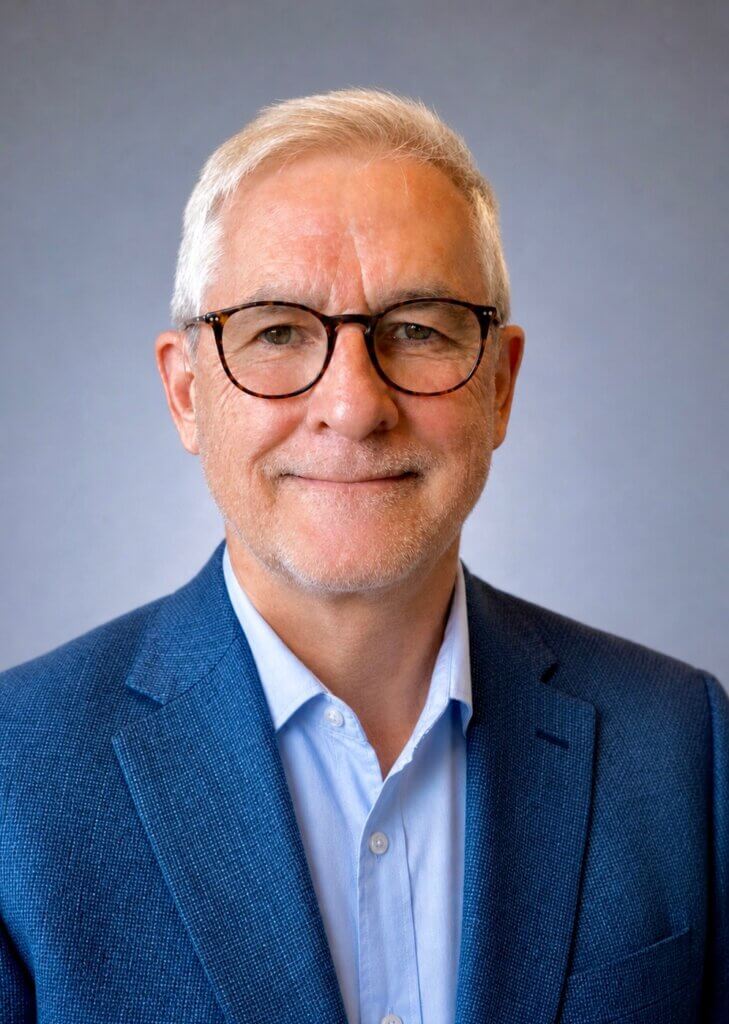
Contributing Expert
Alan first discovered CBD while recovering from a sports injury, and he has been an advocate ever since. Over the years, he’s used CBD for sleep, skincare, easing anxiety, and even helping his family pet stay calm. With more than 20 years of experience running a marketing business, Alan now enjoys sharing scientific studies and personal experience with customers at Flourish + Live Well.