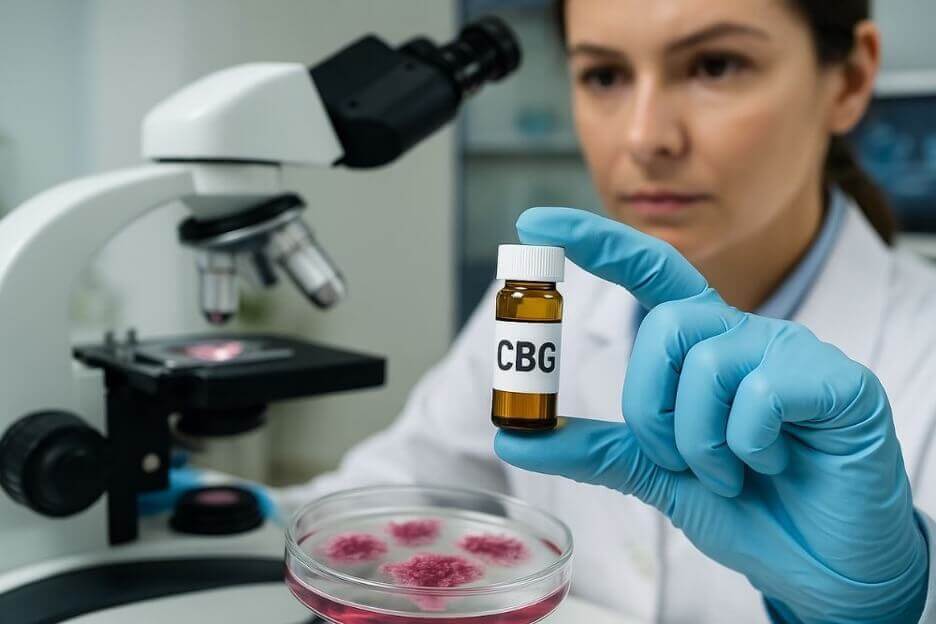
A natural molecule called cannabigerol (CBG) is showing early promise as part of a more effective, less toxic therapy for one of medicine’s toughest cancers.
Every battle against glioblastoma feels like chasing a ghost. Surgeons cut, drugs attack, and for a brief moment, hope flickers until the cancer comes back, smarter and stronger than before. It’s the kind of enemy that teaches medicine humility.
But deep inside a CBD-based plant, scientists have found something unexpected: a quiet molecule called cannabigerol (CBG) that doesn’t fight with fury, but with strategy.
In early lab tests, CBG didn’t just weaken tumor cells; it helped chemotherapy find its mark, breaking through the walls that once kept it out. It’s a small, almost poetic idea: that something gentle from nature might help turn the tide against one of the world’s fiercest diseases.
Science Snapshot
- Condition: Glioblastoma (aggressive brain cancer)
- Compound: Cannabigerol (CBG), derived from CBD-rich plants
- Paired With: Temozolomide (standard chemotherapy)
- Result: CBG enhanced tumor cell death and weakened cancer’s resistance pathways
- Takeaway: Natural molecules like CBG could help existing treatments hit harder, faster, and safer
When Nature Meets Modern Medicine
For decades, glioblastoma has defied the best doctors could offer. Surgery can’t reach every tendril. Chemotherapy and radiation buy time but rarely victory. It’s a cancer that demands new ideas, and this one began with a simple question:
Could something gentle make something powerful work even better?
The research team, led by scientists from Slovenia and Italy, tested what would happen if they paired CBG with temozolomide, the chemotherapy drug that remains the standard of care. They didn’t inject it into patients. They started small, in petri dishes, where glioblastoma cells grow like wildfire.
The Moment Everything Changed
When chemotherapy was used alone, the results were familiar: some cancer cells died, others adapted, and the disease kept fighting. But when CBG entered the picture, the behavior of those same cells changed dramatically.
- Tumor growth slowed.
- Cancer cells became more sensitive to chemotherapy.
- The internal “survival switches” that help tumors recover were flipped off.
Under the microscope, CBG seemed to strip glioblastoma of its armor not by poisoning it, but by weakening the pathways that keep it alive. The combination turned a blunt instrument into something precise, calculated, and far more effective.
A Gentler, Smarter Way Forward
What makes this study stand out isn’t just what CBG did, it’s how it did it. Unlike most cancer drugs, which come with a cost of collateral damage, CBG showed the potential to work with existing treatments without adding new toxicity.
It acted more like a guide than a weapon — teaching chemotherapy to find its mark and do its job with greater precision.
That’s why researchers aren’t calling this an “alternative” treatment. They’re calling it a partnership. The idea is to build therapies that are not only stronger against cancer but kinder to the body that’s fighting it.
What This Means for the Future
This study set out to solve one of medicine’s hardest puzzles: how to stop brain cancer from fighting back without destroying the body in the process. The researchers weren’t searching for a miracle cure; they were testing whether nature could quietly strengthen the tools we already have.
Here’s what their findings could mean moving forward:
- Nature as a Partner, Not a Replacement. CBG didn’t aim to replace chemotherapy; it helped it work smarter. The future of oncology may lie in collaborations between plant molecules and modern drugs, not in choosing one over the other.
- Smarter, Gentler Treatments. By weakening cancer’s defenses, CBG made existing therapies hit harder with less collateral damage. It’s a blueprint for medicine that heals without harming.
- Redefining “Alternative” Medicine. This research reframes natural compounds from “alternative” to “integrative.” Science and nature, working together, could build treatments that are both precise and humane.
- Hope Beyond the Lab. Every discovery like this brings us closer to a world where survival doesn’t demand suffering, where the goal isn’t just to live longer, but to live better.
It’s still early, but the message is powerful: the next big leap in cancer therapy might not come from a harsher chemical; it might come from a gentler idea.
Original Study Details
Study Title: Cannabigerol Is a Potential Therapeutic Agent in a Novel Combined Therapy for Glioblastoma
Year: February 2021
Authors:Tamara T. Lah; Metka Novak; Milagros A. Peña Almidon; Oliviero Marinelli; Barbara Žvar Baškovič; Bernarda Majc; Mateja Mlinar; Roman Bošnjak; Barbara Breznik; Roby Zomer; Massimo Nabissi
Original Source: MDPI Cells Journal

Contributing Expert
Alan first discovered CBD while recovering from a sports injury, and he has been an advocate ever since. Over the years, he’s used CBD for sleep, skincare, easing anxiety, and even helping his family pet stay calm. With more than 20 years of experience running a marketing business, Alan now enjoys sharing scientific studies and personal experience with customers at Flourish + Live Well.