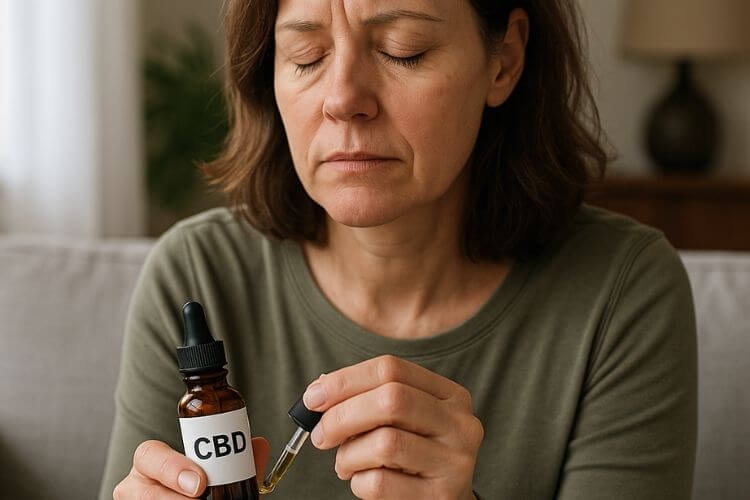
Science Meets Emotional Well-being
Could cannabidiol really help lift the heavy cloud of depression? A new study explores the possibilities.
If you live with bipolar depression, you already know how challenging it can feel. The heaviness, the lack of motivation, the way it robs the joy from your day, it’s exhausting. While medication and therapy remain the most important tools, many people are searching for safe, natural ways to support their emotional balance.
That’s where CBD, or cannabidiol, comes into the conversation. And before we go further, no, CBD will not make you high. It’s non-intoxicating, safe to use daily, and may help your body feel more balanced in times of stress and emotional strain.
Why CBD Is Being Studied for Mood Support
CBD interacts with your body’s endocannabinoid system, a network of receptors that helps regulate mood, stress, sleep, and overall balance. Think of it as one of your body’s “calm and restore” systems. When life feels overwhelming, this system may not function as smoothly as it should. That’s why scientists are curious about whether CBD could help give it a gentle boost.
Early studies have looked at CBD for anxiety, stress, and even depression. Many people report that it helps them feel calmer and more centered without side effects like drowsiness or brain fog.
A Closer Look: CBD and Bipolar Depression
A team of researchers recently asked an important question: could CBD make a difference for people already being treated for bipolar depression?
They studied 35 people who were on their regular medications. Some received CBD (between 150 mg and 300 mg per day), while others received a placebo. After eight weeks, both groups reported feeling better, but the difference between them wasn’t strong enough to declare CBD a proven solution just yet.
Still, the researchers noticed something interesting: at the higher dose of 300 mg per day, people taking CBD did show a bigger reduction in their depression scores compared to those on placebo. Even more importantly, CBD was well tolerated—meaning it didn’t trigger mania, serious side effects, or safety concerns.
That’s why this study matters. It tells us CBD isn’t a magic pill, but it does appear safe and may have benefits, especially at the right dose.
Why People Trust CBD for Balance
Many people already use CBD to help with:
- Stressful days at work – feeling calmer without feeling sedated.
- Better sleep – easing a restless mind at night.
- Every day mood dips – smoothing out the rough edges of anxiety or low energy.
Stories like these are part of why CBD continues to gain popularity. And with studies like this one, researchers are beginning to understand more about how it could fit into bigger health conversations like bipolar depression.
How CBD Helps Your Mental Health
If you’re considering CBD as part of your mental health journey, here are some important takeaways from this research:
- CBD won’t make you high. It’s non-intoxicating and safe to use in daily life.
- Consistency is key. Benefits build gradually over weeks, not overnight.
- Dosage matters. While this study looked at 150–300 mg per day, many people start lower and adjust slowly.
- Think of CBD as a support, not a replacement. It works best when combined with healthy habits, therapy, and doctor-guided care.
- Work with your provider. If you’re on medication, always check for possible interactions before adding CBD.
In other words, CBD isn’t a cure, but it can be one more way to support your sense of balance, especially if you’re searching for something natural, safe, and well-tolerated.
What This Means for Your Journey
Managing bipolar depression is rarely simple. It takes courage, persistence, and often a mix of treatments to find what works. CBD won’t replace your doctor’s care, but it may offer gentle support for your body’s natural balance.
As more studies are completed, we’ll learn even more about how CBD can fit into the bigger picture. For now, the good news is clear: CBD is safe, non-intoxicating, and shows real promise as part of a healthy routine.
If you’re exploring CBD for yourself, remember, start low, go slow, and pay attention to how your body responds. Your path to balance is unique, and CBD may be a helpful companion along the way.
Original Study Spotlight
Title: Cannabidiol as an Adjunctive Treatment for Acute Bipolar Depression
Date: November 2023
Authors: Jairo V. Pinto, José A. Crippa, Keila Maria Ceresér, Miréia F. Vianna-Sulzbach, Érico M. Silveira Júnior, Gabriel S. da Rosa, Manoella G. T. da Silva, Gabriel H. Hizo, Leonardo S. Medeiros, Carlos E. S. de Oliveira, Giovana Bristot, Alline C. Campos, Francisco S. Guimarães, Jaime E. C. Hallak, Antonio W. Zuardi, Lakshmi N. Yatham, Flávio Kapczinski, Márcia K. Sant’Anna
Link to Study: Read on PubMed Central

Contributing Expert
Alan first discovered CBD while recovering from a sports injury — and he’s been a believer ever since. Over the years, he’s used CBD for sleep, skincare, easing anxiety, and even helping his family pet stay calm. With more than 20 years of experience running a marketing business, Alan now enjoys sharing scientific studies and personal experience with customers at Flourish + Live Well.