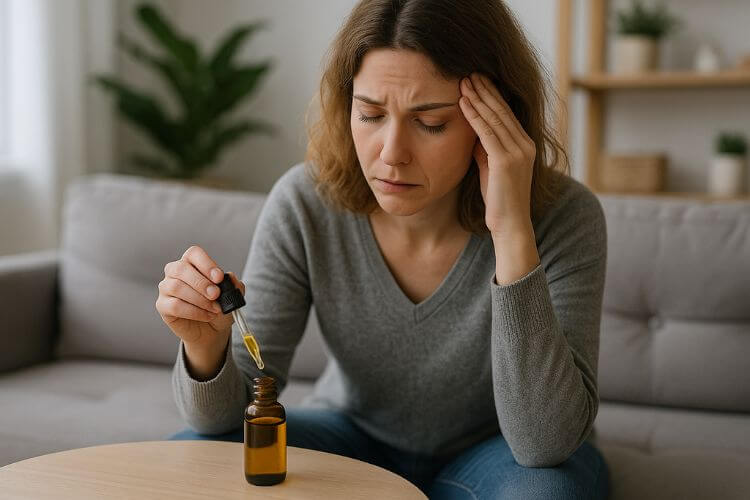
Can It Really Help with Depression?
Feeling low and looking for natural support? Many people are turning to CBD, and science is starting to explore why.
There are days when the alarm goes off, and you just can’t face the world. Even simple tasks like getting dressed, making breakfast, and answering a message feel like climbing a mountain. The joy you used to feel in small things, like sharing a joke or planning the weekend, doesn’t come as easily anymore.
Depression doesn’t always look dramatic. Sometimes it’s a quiet weight, a dull tiredness, or a lack of interest in things you once enjoyed. It can affect anyone, from busy parents to students, professionals, and retirees.
For many people, these moments pass. But for others, they linger, growing into a pattern that feels heavy and hard to shake.
And while medical treatments exist, not everyone finds relief or feels comfortable with the side effects that can come with them.
That’s why people are searching for new options to feel better. One choice that’s gaining attention is CBD, a natural compound being explored for its calming and mood-supporting potential. For some, it’s becoming a part of their self-care routine, something gentle that helps restore balance when life feels heavy.
Why People Are Trying CBD for Low Mood
Traditional options for depression, like prescription medications, can be lifesaving but they also come with side effects that some people struggle with. That’s why a growing number of people are looking for natural add-ons or alternatives to help manage daily stress, mood swings, or feelings of sadness.
CBD, which interacts with the body’s endocannabinoid system, has caught attention for its potential role in promoting calm, reducing stress responses, and supporting more stable moods. Science suggests it might influence serotonin pathways, the same ones targeted by many antidepressants, without the “high” or heavy side effects.
Who’s Using CBD and How They’re Taking It
This study looked at 90 everyday people, from teenagers to adults in their 60s, who were already using CBD to cope with symptoms of depression. They weren’t test subjects in a lab, but real individuals balancing work, family, and daily life.
Here’s what stood out:
- CBD users come from all walks of life. Most lived in cities, over half had full-time jobs, and education levels were mixed, with high school graduates making up the largest group.
- Most were experimenting on their own. Only about 19% consulted a doctor or pharmacist before trying CBD, meaning many were buying oils, capsules, or gummies from shops or online without medical advice.
- Even psychiatric patients kept it private. Among those already under psychiatric care, only about half told their psychiatrist they were using CBD.
- Experiences varied. Some reported feeling calmer and more balanced, while others noticed little change, showing that CBD isn’t a one-size-fits-all solution.
What this tells us is simple: CBD isn’t just a passing trend. It’s becoming part of many people’s self-care routines, often quietly, as individuals look for ways to manage their mental health beyond traditional options.
What This Means for Your Daily Mood
If you’ve been struggling with sadness, lack of motivation, or just feeling “off,” CBD may be worth exploring as part of your wellness plan. Here are the main takeaways from this study and what they mean for you:
- CBD isn’t just hype; real people are trying it for emotional balance.
- Start thoughtfully. While most in the study didn’t ask their doctor, it’s smart to get advice if you take other medications.
- Consistency is key. Like any wellness habit, regular use may give you the best chance of noticing a difference.
- Be open with your provider. If you already see a psychiatrist or therapist, mention CBD. They’ll appreciate knowing what you’re using.
- Think of CBD as support, not a cure. It’s one piece of a bigger picture that can also include therapy, exercise, healthy sleep, and nutrition.
Original Study Section
Title: Cannabidiol (CBD) in the Self-Treatment of Depression – Exploratory Study and a New Phenomenon of Concern for Psychiatrists
Date: March 2022
Authors: Gniewko Wieckiewicz; Iga Stokłosa; Maciej Stokłosa; Piotr Gorczyca; Robert Pudlo
Link: Read on PubMed Central
Contributing Expert
Alan first discovered CBD while recovering from a sports injury — and he’s been a believer ever since. Over the years, he’s used CBD for sleep, skincare, easing anxiety, and even helping his family pet stay calm. With more than 20 years of experience running a marketing business, Alan now enjoys sharing scientific studies and personal experience with customers at Flourish + Live Well.