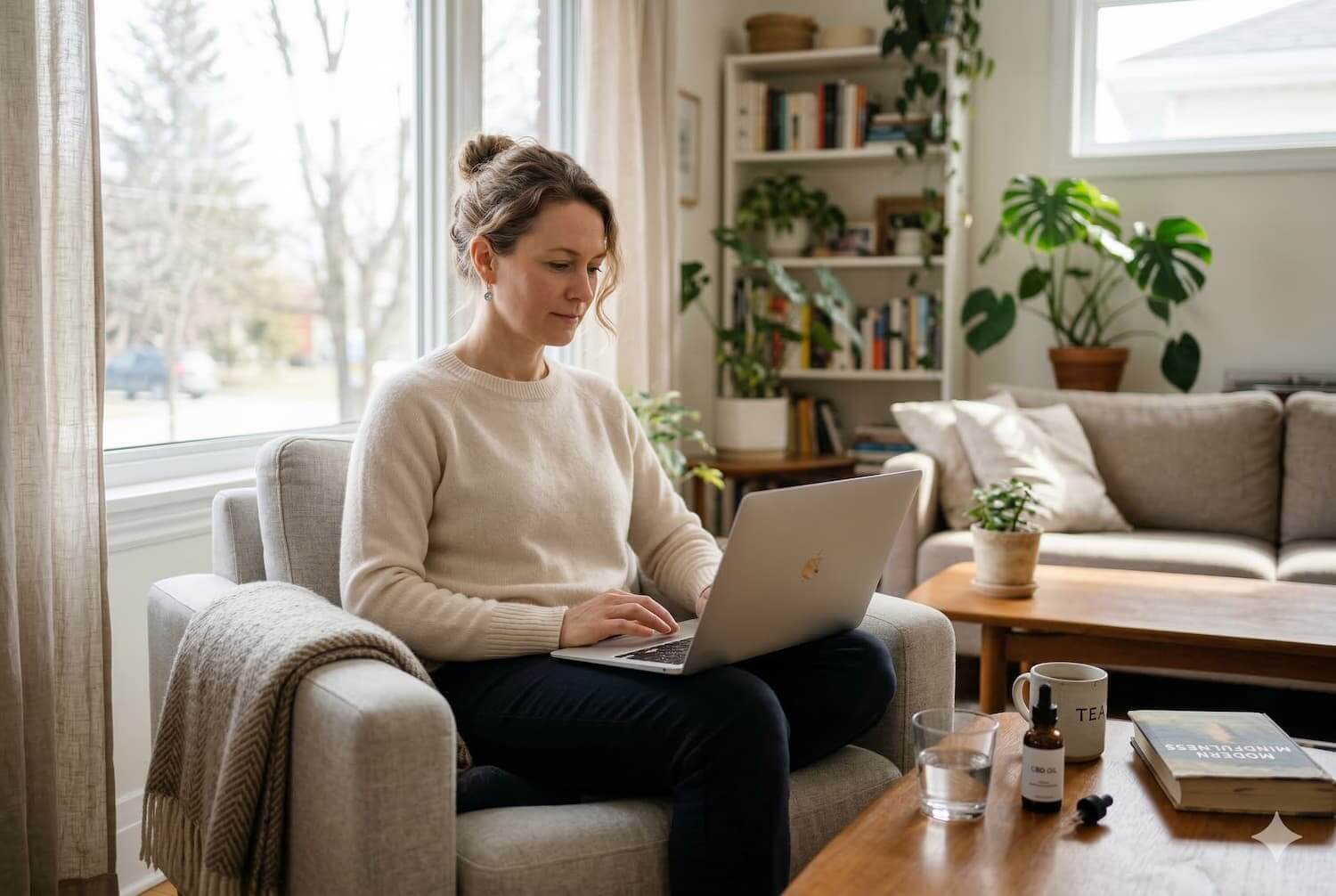
Why women with chronic pelvic pain are turning to CBD — and what a new observational study says about it.
There’s a particular kind of exhaustion that comes with chronic pelvic pain. Not just the physical kind, but the emotional weight of years spent being told everything looks normal, being handed one treatment after another, or being given options that trade one problem for another.
For many women, hormonal therapies help. But for others, they bring their own complications — mood changes, libido effects, and contraindication concerns. The search for a non-hormonal option that actually works is real, ongoing, and deeply personal.
A 2025 study published in the European Journal of Obstetrics and Gynecology asked a straightforward question: is CBD an acceptable non-hormonal option for women living with chronic pelvic pain?
What did this study do?
This was a cross-sectional observational study, which means researchers surveyed a group of women who were already using CBD for pelvic pain and assessed their experiences. While this design doesn’t carry the same weight as a randomized trial, it provides valuable real-world data on:
- Who is using CBD for chronic pelvic pain?
- Why they chose it (especially in the context of wanting to avoid hormonal treatments)
- Whether they found it acceptable and effective
- What side effects or concerns did they experience?
The study enrolled women with chronic pelvic pain from various underlying causes — including endometriosis, interstitial cystitis, pelvic floor dysfunction, and unexplained pelvic pain.
Participants reported on:
- Pain levels before and after starting CBD
- Impact on daily activities, sleep, and mood
- Whether they felt CBD was an acceptable alternative to hormonal therapy
- Any adverse effects
What did they find?
The findings painted a nuanced picture:
- A significant proportion of participants reported that CBD reduced their pelvic pain to a meaningful degree.
- Many women specifically valued CBD because it was non-hormonal — they had either tried hormonal therapies and stopped due to side effects, or wanted to avoid them for personal or medical reasons.
- Improvements were reported not just in pain intensity, but also in sleep quality and daily function.
- CBD was broadly considered acceptable by participants — meaning they felt the benefits outweighed the drawbacks.
- Side effects were generally mild and included fatigue, dry mouth, and occasional digestive upset.
The authors noted that while this observational data is encouraging, randomized controlled trials are still needed to confirm efficacy and establish safe, effective dosing for chronic pelvic pain.
Why the “non-hormonal” angle matters
This study isn’t just about CBD. It’s about a gap in women’s pain care that has existed for decades.
Hormonal therapies — birth control pills, progestins, GnRH agonists — are often the first line of treatment for conditions like endometriosis and other causes of pelvic pain. They work for many women. But they’re not suitable or acceptable for everyone:
- Women trying to conceive
- Women who experience mood-related side effects from hormonal medications
- Women with hormone-sensitive conditions
- Women who have simply tried hormonal therapy and found it didn’t help enough
For these women, the question isn’t “should I try hormones?” It’s “what else is there?” CBD is stepping into that gap — not as a proven pharmaceutical, but as an option that women are actively evaluating and, in many cases, finding helpful.
What this means for you
The problem: chronic pelvic pain is common, often under-diagnosed, and frustratingly difficult to manage — especially when hormonal therapies aren’t an option or aren’t working.
Here’s how to think about this study practically:
- Observational data are meaningful, but limited. This study tells us women are using CBD for pelvic pain, and many find it helpful. It doesn’t tell us which dose works best, how long to use it, or how it compares head-to-head with other treatments.
- Non-hormonal doesn’t mean risk-free. CBD can interact with medications and may affect liver enzymes at higher doses. It still requires a conversation with your doctor.
- Your underlying diagnosis matters. Pelvic pain from endometriosis may respond differently from pelvic pain from pelvic floor dysfunction or other causes. CBD isn’t a one-size-fits-all solution.
- Tracking matters. If you try CBD for pelvic pain, keep a simple symptom log — pain scores, sleep, daily function, side effects — over at least 4 to 6 weeks to give yourself meaningful data.
About the Original Study
Title: Cannabidiol (CBD): An acceptable non-hormonal treatment option for women suffering with chronic pelvic pain — a cross-sectional observational study
Year: 2025
Journal: European Journal of Obstetrics and Gynecology and Reproductive Biology
PubMed: https://pubmed.ncbi.nlm.nih.gov/40216330/
Authors:
- A. Anwar, MD — Gynecology and pelvic pain specialist, lead author.
- T. Ajith — Co-author, women’s health research.
- R. Lewis — Co-author, gynecology research.
- A. J. Drakeley, MD — Senior author, reproductive medicine specialist.
(Full author list and affiliations: PubMed article page)

Contributing Expert
Alan first discovered CBD while recovering from a sports injury — and he’s been an advocate ever since. Over the years, he’s used CBD for sleep, skincare, easing anxiety, and even helping his family pet stay calm. With more than 20 years of experience running a marketing business, Alan now enjoys sharing scientific studies and personal experience with customers at Flourish + Live Well.