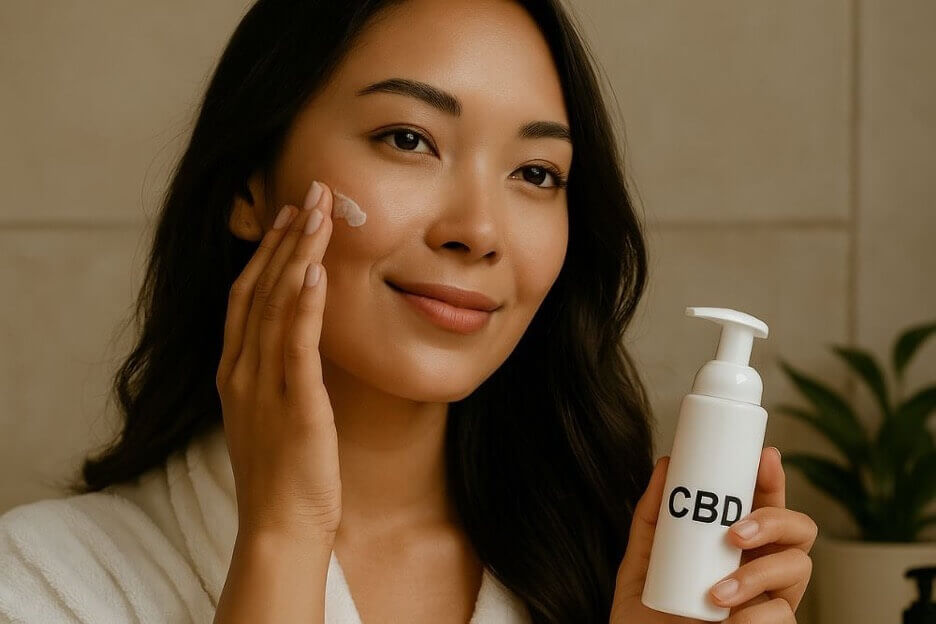
From self-care to sustainability, science is uncovering why CBD skincare speaks to both our skin and our values.
Walk into any beauty aisle today, and you’ll see it, sleek jars and serums whispering words like calm, balance, and glow, all powered by one star ingredient: CBD.
But what’s really behind our love affair with CBD skincare? It turns out it’s not just about smoother skin or fewer breakouts. It’s about what these products represent — self-care without guilt, beauty with purpose, and a quiet rebellion against chemical overload.
Curious about what’s fueling this shift, a team of European researchers decided to dig deeper. Their focus wasn’t on the latest miracle ingredient or marketing buzzword; it was on people. On why so many are drawn to CBD-infused skincare, and what that choice reveals about the way we connect self-care, nature, and identity.
Study Snapshot
- Study focus: Understanding what drives people to choose clean, plant-based skincare.
- Key finding: Sustainability, curiosity, and positive attitudes toward natural innovation lead to stronger buying intent.
- Why it matters: Modern consumers want products that reflect their ethics and elevate everyday self-care.
Beauty With a Conscience
Today’s consumers are more informed and intentional than ever. They read labels, ask questions, and choose brands that match their beliefs. For many, skincare is no longer a routine, it’s a ritual that reflects how they care for themselves and for the planet.
The study, led by Najla Gonzaga Ribeiro, Edar Silva Añaña, and Belem Barbosa, gathered insights from more than 200 participants. The goal was simple yet profound: to uncover how personal values, environmental awareness, and attitudes toward nature-derived ingredients shape buying decisions.
The findings reveal a truth that feels both timely and hopeful: conscious beauty is deeply personal.
What Motivates Today’s Skincare Lovers
The research highlighted three strong influences behind the growing love for plant-based skincare:
- Curiosity and openness to innovation
People who enjoy exploring new ideas are naturally drawn to botanical science and clean formulations. They see nature-derived ingredients not as an experiment but as evolution. - Environmental responsibility
Those who live mindfully — recycling, reducing waste, and supporting sustainable brands — feel a natural pull toward eco-friendly skincare made from responsibly sourced materials. - Trust in natural performance
Consumers increasingly see plant-powered ingredients as effective, safe, and holistic. They’re excited by formulations that deliver results without compromise.
Together, these factors reveal a mindset shift: people aren’t just buying beauty products, they’re casting a vote for the kind of world they want to live in.
Beyond Results: A Reflection of Values
Plant-based skincare isn’t only about smoother skin; it’s about a smoother conscience. For many consumers, these products symbolize a connection between personal well-being and environmental harmony.
Natural actives such as botanical oils, antioxidants, and CBD-inspired compounds are praised for their ability to calm, hydrate, and protect the skin. But there’s something deeper at play — an emotional satisfaction that comes from choosing what feels right.
Each jar or dropper becomes part of a ritual, a pause in a busy day to reconnect with yourself, knowing the formula you’re using honors both your skin and the Earth. That’s the beauty of values-driven skincare: it’s results with a sense of responsibility.
Why Environmental Awareness Matters
One of the most striking discoveries from the study was how closely environmental awareness and purchase intention were linked. People who care about sustainability, who already choose reusable products, support ethical companies, and think about their footprint, are the ones most likely to embrace nature-inspired skincare.
They don’t see it as a luxury; they see it as common sense. The idea that beauty should protect the planet as much as it perfects the skin resonates deeply.
When brands emphasize renewable ingredients, low-impact production, and recyclable packaging, they’re not just ticking boxes; they’re connecting emotionally with people who want their routines to make a difference.
The People Leading the Change
The study also revealed who’s driving this movement. Consumers most interested in plant-based skincare tend to be open-minded, creative, and proactive about wellness. They see skincare as part of a bigger lifestyle, one that blends health, mindfulness, and respect for nature.
These buyers look for transparency: they want to know where ingredients come from, how they’re processed, and what impact they have. Authentic storytelling about craftsmanship, sustainability, and purpose builds lasting loyalty.
For forward-thinking brands, this means the future of beauty isn’t about creating products people simply want to try, it’s about creating philosophies people want to live by.
What It Means for You
If you’ve ever chosen a product because it felt authentic, because it aligned with your values as much as it nourished your skin, you’re part of this global shift toward mindful beauty.
You’re choosing brands that care, ingredients that heal, and routines that remind you that every small act of self-care can also be an act of sustainability.
This is what the next era of beauty looks like: intentional, transparent, and beautifully human.
The research also confirms something beauty lovers already sense: the future of skincare is values-first.
People want formulas that perform, but they also want to feel proud of what they use. They’re seeking products that merge science and nature, that offer results without harming ecosystems, and that tell a story of integrity.
Plant-based skincare is no longer niche; it’s the new definition of luxury. One rooted in purpose, not excess. One that lets people glow, guilt-free.
Original Study Details:
Title: The Influence of Human Values, Environmental Awareness, and Attitudes on the Intention to Purchase Cannabis-Based Skincare Cosmetics
Date: August 2022
Authors: Najla Gonzaga Ribeiro, Edar Silva Añaña, Belem Barbosa
Link to Original Article: Read on MDPI

Contributing Expert
Alan first discovered CBD while recovering from a sports injury — and he’s been an advocate ever since. Over the years, he’s used CBD for sleep, skincare, easing anxiety, and even helping his family pet stay calm. With more than 20 years of experience running a marketing business, Alan now enjoys sharing scientific studies and personal experience with customers at Flourish + Live Well.